

A discolored leg can indicate harmless bruising or serious issues like circulation problems, vein disease, swelling, infection, or low oxygen levels. Key factors include color, temperature, pain, swelling, and the affected leg(s). This guide covers common discoloration causes, and when to seek urgent treatment.
Why is my leg discolored?
A leg can be discolored due to blood pooling in veins, slowed circulation, decreased oxygen, or small blood vessel leakage after injury. If color fades quickly with elevation, it may be venous pooling; if the leg is cold, painful, or suddenly swollen, immediate medical help is required. Purple skin may signify cyanosis, indicating tissue may lack oxygen, necessitating professional evaluation. Describe the appearance: is it blotchy, shiny, or vein-shaped?
Symptoms to notice first
Comparing both legs is crucial. A mild color difference may not be serious, but sudden change with pain warrants attention. Look for:
- Temperature change: A cold foot may indicate reduced blood flow.
- Swelling: Tight skin or pitting suggests edema or venous problems.
- Pain pattern: Cramping may indicate artery trouble; heaviness after standing may point to vein disease.
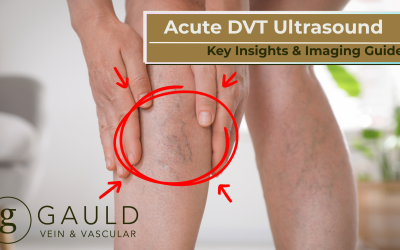
- Visible veins: Bulging blue veins may indicate varicose veins or chronic venous insufficiency.
- Skin changes: Shiny skin, ulcers, or slow-healing sores need evaluation.
- Whole-body symptoms: Shortness of breath or chest pain indicates urgent care.
Common leg discoloration causes
Leg discoloration can stem from bruises, venous disease, or artery issues. Bruises usually follow injuries. Chronic venous insufficiency occurs when blood pools and can lead to swelling or discoloration. Peripheral artery disease restricts blood supply, potentially causing severe symptoms.
When symptoms of lower leg cold and toes turned purple are urgent
Urgent symptoms include sudden changes, pain, numbness, or loss of pulse, suggesting inadequate blood flow. Seek emergency help if color does not improve with warming or if severe pain occurs.
People with diabetes, known artery disease, or non-healing wounds should be especially cautious.
Leg swelling causes that can change skin color
Swelling can result from fluid buildup, either unilaterally (after an injury or clot) or bilaterally (due to venous insufficiency). Edema symptoms include puffiness, stretched skin, and pitting. One-sided swelling is more concerning.
The main takeaway
Leg discoloration can arise from various causes, some serious. Stable discoloration warrants attention, while sudden changes, severe pain, or associated symptoms should be treated urgently. Observe the pattern and seek timely medical care for circulation warning signs.

0 Comments