

Leg pain, swelling, or visible veins are often brushed off as normal — especially after long days of standing or sitting. However, these symptoms can be early signs of underlying vein or vascular conditions that should not be ignored.
Many patients delay care simply because they’re unsure how to start the conversation. At Gauld Vein & Vascular, we believe that open, informed communication is the first step toward proper diagnosis and effective treatment.
Here’s how to confidently talk to your doctor about leg pain and vein concerns.
Why It’s Important to Speak Up
Leg discomfort is not always “just fatigue.” Symptoms such as aching, heaviness, or swelling may indicate chronic venous insufficiency or other vascular issues.
Early evaluation can:
- Prevent progression of vein disease
- Reduce discomfort and improve daily function
- Identify underlying conditions early
- Provide access to minimally invasive treatment options
1. Be Specific About Your Symptoms
Instead of general statements like “my legs hurt,” try to describe your symptoms clearly.
Helpful details include:
- When the pain occurs (morning, evening, after standing)
- What it feels like (aching, throbbing, burning, heaviness)
- Where it is located (calves, thighs, ankles)
- What improves or worsens it (walking, elevating legs, rest)
The more specific you are, the easier it is for your doctor to identify possible causes.
2. Mention Visible Changes
Even if your concern seems cosmetic, it’s important to mention any visible signs such as:
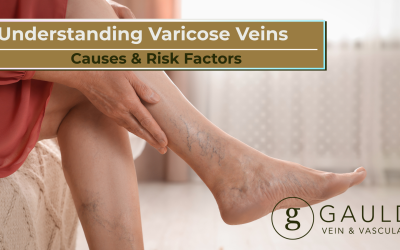
- Varicose veins
- Spider veins
- Swelling
- Skin discoloration
- Bulging or rope-like veins
These visual cues often provide important diagnostic information.
3. Share Your Medical and Family History
Certain factors increase your risk for vein disease. Be sure to tell your doctor if you have:
- A family history of varicose veins or blood clots
- Previous vein treatments
- History of deep vein thrombosis (DVT)
- Pregnancy-related vein issues
- Jobs requiring prolonged standing or sitting
This context helps guide evaluation and treatment decisions.
4. Ask the Right Questions
Don’t hesitate to ask questions during your visit. Consider asking:
- Could my symptoms be related to vein disease?
- Do I need an ultrasound or further testing?
- What are my treatment options?
- Are there non-surgical solutions available?
- Will my condition worsen if untreated?
Being proactive ensures you fully understand your condition and next steps.
5. Be Honest About How It Affects Your Life
Insurance and treatment decisions often depend on how symptoms impact your daily life.
Let your doctor know if your symptoms:
- Interfere with work
- Limit physical activity
- Affect sleep
- Cause discomfort during travel or long periods of sitting/standing
This helps determine whether treatment may be medically necessary.
6. Don’t Wait for Symptoms to Worsen
One of the most common mistakes patients make is waiting too long. Vein disease is progressive, meaning it can worsen over time if left untreated.
Early intervention often means:
- Simpler treatment
- Faster recovery
- Better long-term outcomes
What to Expect During a Vein Evaluation
At Gauld Vein & Vascular, your visit is designed to be simple and informative. It may include:
- A detailed discussion of your symptoms
- Physical examination
- Venous ultrasound imaging
- Personalized treatment recommendations
Many modern treatments are minimally invasive, performed in-office, and require little downtime.
The Bottom Line
Talking to your doctor about leg pain and vein concerns doesn’t have to be difficult. Being prepared, specific, and proactive can lead to earlier diagnosis, better treatment options, and improved quality of life.
If you’re experiencing leg discomfort, swelling, or visible veins, don’t wait — start the conversation and take the first step toward healthier legs.
The Importance of a Comprehensive Approach
Healthy veins are part of overall lower-extremity wellness. In some cases, foot mechanics and musculoskeletal conditions can impact circulation and mobility.
At Gauld Vein & Vascular, we work closely with Gauld Foot & Ankle, and both operate under Gauld Health. This integrated, multispecialty approach allows us to coordinate vascular and podiatric care seamlessly — ensuring complete, patient-centered treatment.
Call us today (404) 435-0718 or request an appointment online
0 Comments