

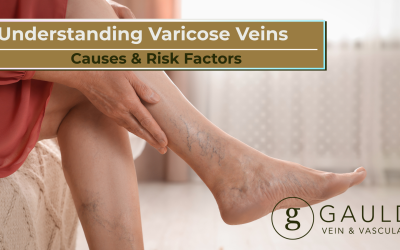
As spring approaches, many of us start preparing for warmer weather and outdoor activities. However, if you’re struggling with varicose veins, now is the time to address them. Varicose veins are more than a cosmetic concern—they can cause pain, swelling, and even lead to complications like skin ulcers or blood clots if untreated.
Preventive Measures: To reduce your risk of developing varicose veins, focus on improving circulation. Regular physical activity, maintaining a healthy weight, and avoiding prolonged standing or sitting can help. Elevating your legs at the end of the day is another simple yet effective way to reduce strain on your veins.
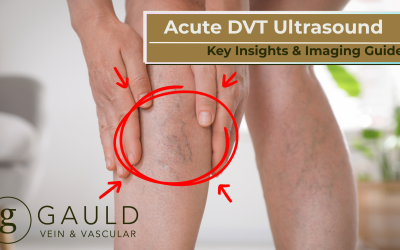
Risks and Complications: Left untreated, varicose veins can worsen over time, potentially leading to chronic venous insufficiency, skin discoloration, or venous ulcers. In severe cases, blood clots (deep vein thrombosis or DVT) may develop, posing a significant health risk.
FAQs:
- Are varicose veins dangerous? While not always dangerous, they can lead to complications if untreated.
- What is the best treatment for varicose veins? Minimally invasive options like sclerotherapy and endovenous lasertreatment (EVLT) are highly effective.
Take control of your vein health today by scheduling a consultation with Gauld Vein and Vascular. Early treatment ensures healthier, more comfortable legs for spring.
0 Comments